Smart Shoes Revolutionizing Fitness with Cutting-Edge Technology
Experience the fusion of cutting-edge technology and style with smart shoes, offering real-time data insights and adaptability to improve daily activities.
Smart shoes represent a cutting-edge fusion of technology and fashion, a trend that is rapidly gaining traction in the wearable tech market.
As a consumer, you might be familiar with smartwatches and fitness trackers, but the integration of similar capabilities into your footwear offers a new level of convenience and functionality.
These cutting-edge shoes not only track your steps and monitor your physical activity but can also provide data-driven insights into your health and enhance your interaction with smart environments.
The technology in smart shoes varies from simple step-counting to advanced sensors that analyze your gait and posture.
With built-in accelerometers, gyroscopes, and pressure sensors, your shoes can offer real-time feedback on your running form, potentially reducing the risk of injury.
Some models can even adjust their cushioning and support settings automatically, adapting to your activities, whether you’re walking, running, or standing for extended periods.
Smart shoes also serve as an extension of your connected life.
They can interface with various apps on your smartphone, enabling goal setting, progress tracking, and social sharing.
With features ranging from navigation assistance to remote control of smart home devices, these shoes are not just for athletes but for anyone looking to integrate a new level of smart technology into their daily routine.
Evolution of Smart Shoes
Smart shoes have risen from novel prototypes to practical, everyday wearables.
In the early 2000s, fitness tracking emerged as the initial feature that propelled the development of smart footwear.
Your running shoes could count your steps and estimate the calories you burned. Brands like Nike and Adidas were pioneers in integrating sensors into their soles.
By the mid-2010s, the focus shifted to enhancing the user experience through connectivity.
With Bluetooth technology, your shoes could sync data with your smartphone, updating you on your activity levels. The technology also allowed for more accurate GPS tracking and performance analysis.
With each year, these capabilities expanded, and you could measure more than just steps — distance, speed, and even your form while running or walking .
Customization has become a key evolution in smart shoes .
Now, some models allow for heating elements to be activated on cold days, or have soles that automatically adjust their firmness based on your activity. In-shoe coaching guidance providing real-time feedback on your workout or posture is becoming standard.
As of 2024, sustainability and self-sufficiency have become important.
Shoes with materials that maximize longevity and eco-friendliness are becoming more prevalent. Self-lacing shoes, evocative of science fiction, are a reality, catering to both your convenience and accessibility needs.
Types of Smart Shoes
Smart shoes offer you an array of innovative features designed to cater to different needs and activities.
Fitness Tracking Shoes
Fitness tracking shoes have sensors to measure steps, distance, speed, and calories burned.
Specifically, Adidas and Under Armour offer shoes with integrated technology to track your running performance. These shoes often sync with a mobile app, allowing you to monitor your progress and set goals.
- Key Features:
- Step Counter
- Distance Tracker
- Speedometer
- Calorie Calculator
- Sync with App
Self-Lacing Shoes
Self-lacing shoes, such as Nike’s Adapt series, utilize motors and gears to adjust the fit to your foot automatically.
You can control the tension and fit through shoe buttons or via a smartphone app. This technology is particularly beneficial for athletes needing precise, consistent fit and for individuals looking for convenience.
- Benefits:
- Customizable Fit
- Hands-Free Lacing
- Control via App
Heated Shoes
Heated shoes come with built-in heating elements powered by rechargeable batteries, perfect for cold climates.
Columbia and Volt are two brands offering shoes with adjustable temperature settings to keep your feet warm in winter.
- Notable Characteristics:
- Adjustable Temperature
- Rechargeable Batteries
- Thermal Insulation
Smart Shoes for the Visually Impaired
Smart shoes for the visually impaired often feature ultrasonic sensors or GPS technology to aid navigation.
For instance, the Lechal brand creates shoes that vibrate to indicate the direction to turn, improving the wearer’s orientation and mobility in unfamiliar environments.
- Essential Functions:
- Vibration Feedback
- Obstacle Detection
- GPS Navigation
Key Features
Smart shoes integrate innovative technology to enhance your experience.
From tracking your activities to extending the device’s lifespan, these features focus on connectivity, real-time data gathering, and endurance.
Connectivity
Your smart shoes can connect seamlessly with your mobile devices using Bluetooth technology.
This feature allows for the synchronization of data between the shoes and your smartphone app, enabling features such as:
- Activity tracking
- GPS navigation
- Music Control
- Notifications
Sensors
In-built sensors are at the core of smart shoe functionality.
These sensors provide detailed insights into your activities by measuring various parameters:
- Pressure sensors gauge foot landing, balance, and gait.
- Accelerometers track speed and distance.
- Gyroscope ensures orientation and direction.
Battery Life
The longevity of your smart shoes is critical.
Manufacturers aim to maximize battery life while ensuring performance:
| Feature | Battery Life (approx.) |
|---|---|
| Standby | Up to 30 days |
| Active Usage | 10-14 hours |
Charging methods for your smart shoes include:
- Magnetic charging docks
- USB cables
- Wireless pads (select models)
Major Brands and Manufacturers
In the evolving landscape of smart footwear technology, several leading sports brands have advanced to the forefront, offering innovative features tailored to enhance your athletic performance and daily life.
Nike
Nike is at the vanguard with their Adapt series, shoes designed to tailor their fit to your foot’s contour using a self-lacing system.
The accompanying app lets you personalize settings, ensuring your smart shoes adapt to your preferences and activity level.
Adidas
Adidas has integrated technology into their product line with Adidas 1, a shoe equipped with a microprocessor capable of adjusting cushioning depending on your running environment.
This line exemplifies their commitment to marrying comfort with tech, aiming to optimize your running experience.
Under Armour
Under Armour’s HOVR series embeds sensors within the shoe’s sole to track, analyze, and store running metrics.
Your workout data syncs with a companion app to monitor your progress and enhance your training regimen.
Design and Materials
Innovative materials paired with the latest ergonomic design ensure that your smart shoes provide enhanced functionality and supreme comfort.
Material Innovation
Your smart shoes are crafted from advanced textiles, improving their performance and reducing environmental impact. Here are key highlights:
- Recycled Polymers: Many smart shoes utilize recycled plastics, turning waste into stylish, durable footwear.
- Smart Fabrics: These are incorporated to monitor temperature and adapt to your activity levels. They feature breathability and moisture-wicking properties.
- Sustainable Leather: Lab-grown leather or plant-based alternatives offer a cruelty-free option, maintaining a luxurious feel without compromising ethics.
Ergonomics and Comfort
The ergonomics of your smart shoes are meticulously engineered for comfort, enabling wear for extended periods without discomfort. A breakdown of comfort features includes:
- Contoured Insoles: These are designed to fit the natural arch of your foot, providing support where you need it most.
- Cushioning: Strategic cushioning in the midsole absorbs shock, reducing stress on your joints.
- Fit Technology: Adaptive fit technology allows the shoe to conform to your foot’s unique shape, ensuring a snug, yet comfortable fit.
Free Socks*

Sign up for Dash Sports emails and get a free pair of socks when you buy your first pair of full-priced, in-stock shoes.
*Valid for new customers only at the time they create a Dash Sports profile. Socks valued at $17.99.
User Interface and Control
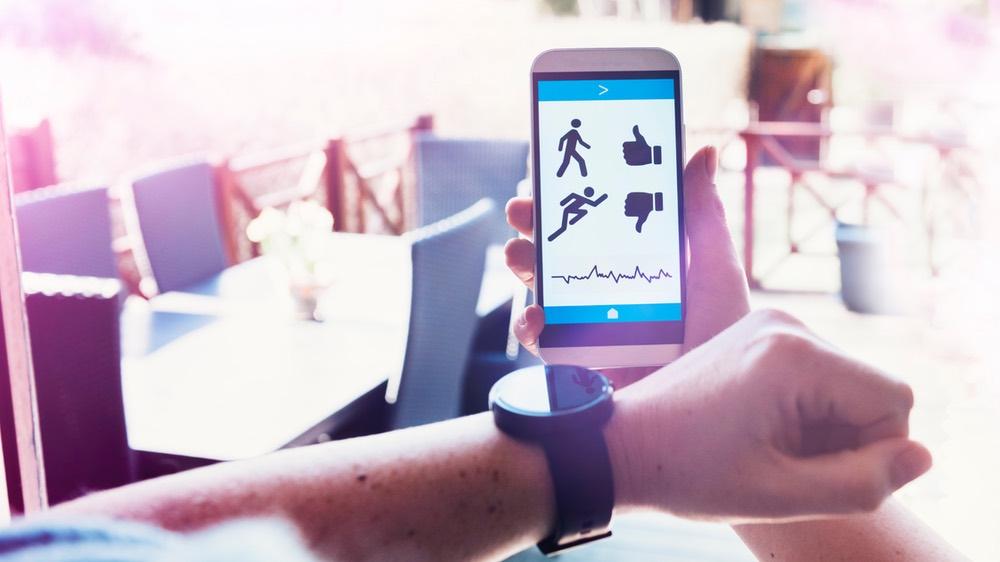
Smart shoes enhance your interaction with wearable technology through innovative control methods.
Mobile Applications
Your smart shoes typically pair with mobile applications with a dashboard for monitoring and adjusting various settings.
These settings may include:
- Activity Tracking: Review steps, distance, and calories burned.
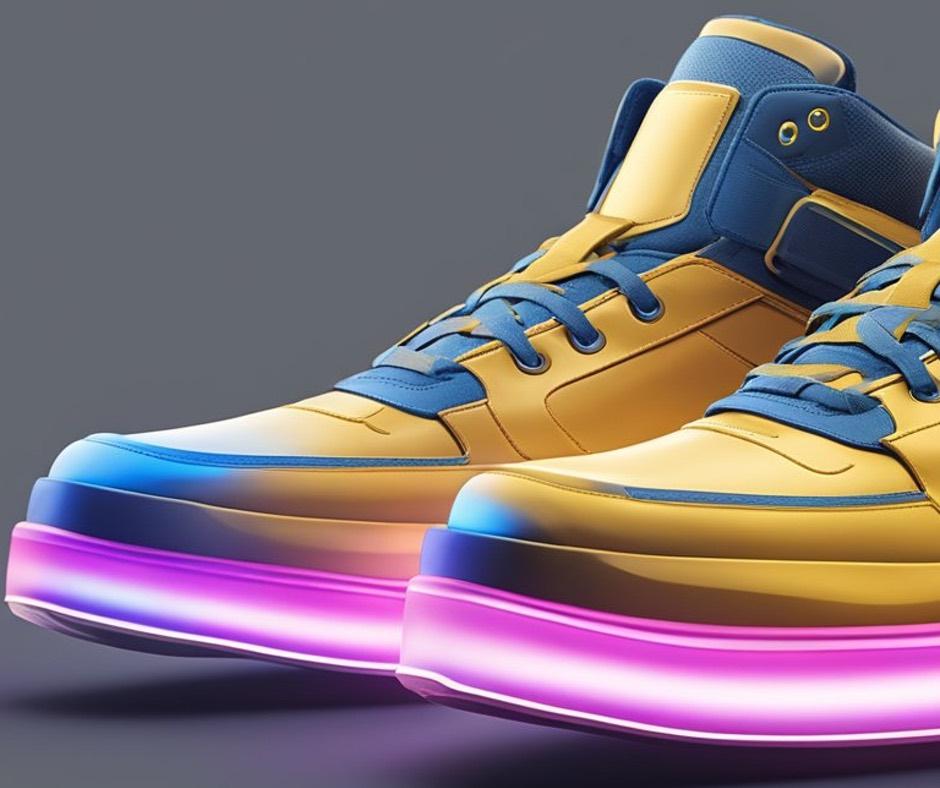
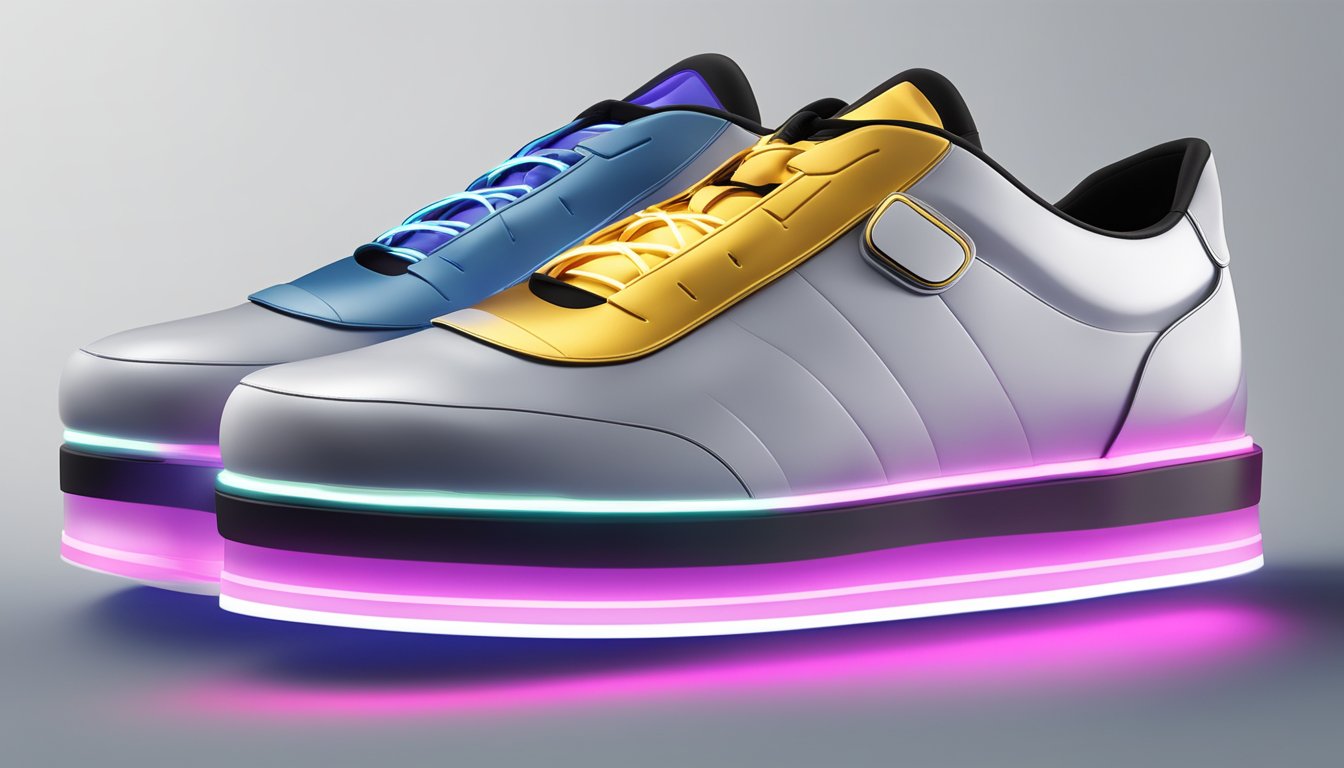
- Customization: Set up lighting colors, patterns, and intensity if your smart shoes have integrated LEDs.
- Firmware Updates: Keep your smart shoes’ software up-to-date for optimal performance.
Voice Commands
With voice command compatibility, you can control your smart shoes hands-free. Here’s what you can typically do:
- Start or Stop Activity Tracking: Say commands like “Start running” to initiate tracking.
- Adjust Settings: Change performance modes such as “Switch to walking mode.”
Gesture Control
Gesture control allows you to interact with your smart shoes through physical gestures. Examples include:
- Tapping: Double-tap the shoe to pause activity tracking.
- Shaking: Shake your foot to cycle through custom light modes or check battery status.
Applications and Use Cases
Smart shoes have revolutionized how you engage with physical activities, health management, and accessibility through advanced technology integrated into your footwear.
Sports and Fitness
Smart shoes offer many data-driven insights for athletes and fitness enthusiasts alike.
These shoes can analyze your steps and provide real-time feedback on your stride length, speed, and running form.
For example, the Adidas Smart Run integrates sensors to track your pace and cadence.
- Metrics to improve performance: Smart shoes track detailed metrics such as ground contact time, foot landing technique, and calories burned to help you enhance your performance.
Health Monitoring
In health, smart shoes serve as subtle yet powerful monitoring devices. They can detect irregularities in gait that could indicate health issues.
Shoes like the Moticon OpenGo integrate pressure sensors that can be used for sole pressure measurement.
- Prevention and rehabilitation: These shoes are handy for preventing injuries by suggesting corrective actions and monitoring your recovery progress for rehabilitation purposes.
Accessibility
Smart shoes have profound implications for accessibility, assisting individuals with visual impairments or mobility challenges.
Shoes such as the Lechal Smart Navigation Shoes use vibrations to guide you to your destination, enhancing your spatial awareness and navigation.
- Enhanced mobility for the visually impaired: Versatile vibration and auditory cues from smart footwear can offer navigation assistance without using your hands or eyes.
Market Trends and Predictions
As you navigate the evolving landscape of wearable technology, you’ll notice that smart shoes are becoming increasingly integrated with various wellness and fitness applications.
Sales figures from 2020 to 2023 have shown a consistent year-over-year growth of 25%.
Examining consumer behavior reveals that comfort and durability are no longer the only criteria for purchasing footwear.
Today’s consumers expect multifunctionality, and they are particularly interested in features such as step tracking, calorie burn monitoring, and navigation assistance.
Looking at the data from market leaders, there is a trend toward collaborations with tech companies to enhance the user interface and connectivity options.
The intent is to offer seamless integration with smartphones and other smart devices.
Projections for the future indicate a push into new markets by 2025, including shoes tailored for elderly users with stability sensors and those designed for industrial workers with safety compliance trackers.
| Year | Growth Prediction | Notable Feature Demand |
|---|---|---|
| 2025 | 30% | Stability sensors |
| 2026 | 35% | Safety compliance trackers |
Manufacturers are also expected to introduce advanced materials that will contribute to a shoe’s smart features and sustainability, an increasingly important factor among environmentally conscious consumers.
Your attention should also be drawn to the burgeoning interest in personalization, which forecasts suggest will drive a significant portion of the market by 2027.
Customization through modular design and adjustable comfort settings are anticipated to be among the key selling points.
Privacy and Security Concerns
When you integrate technology into footwear, privacy concerns become a significant issue.
Your smart shoes might be tracking and storing location data, which can reveal patterns about your daily routine. An unauthorized entity gaining access to this data poses a potential privacy breach.
Smart shoes are also susceptible to cybersecurity threats.
As wearables, they are part of the Internet of Things (IoT), and like all connected devices, if the software has vulnerabilities, hackers could potentially intercept data or even take control of the shoes’ functionality.
To safeguard your data, ensure that your smart shoes use encryption for data transmission. Look for products that offer:
- Regular software updates to patch vulnerabilities
- Two-factor authentication for app access
- Transparent privacy policies that explain data usage
Be cautious of what permissions you grant the companion app.
Only allow access to data that is necessary for the shoe to function.
Be wary of intrusive or unnecessary features, as they can increase your risk of exposing personal information.
Your security can be compromised if safety features, such as fall detection or emergency alerts, are manipulated. Therefore, it’s crucial to:
- Buy smart shoes from reputable companies
- Keep the firmware of your smart shoes updated
- Manage app permissions judiciously
Maintenance and Care
Caring for your smart shoes is important to ensure their longevity and performance.
Routine maintenance can help preserve the shoe’s functionality and appearance.
Cleaning Instructions:
- Exterior: Wipe the outside with a soft, damp cloth. Use a mild soap for tougher stains, but avoid harsh chemicals.
- Interior: Remove the insole and air it out. If washable, follow manufacturer guidelines.
Battery Care:
- Charging: Only use the provided charger. Charge as recommended to avoid overcharging.
- Storage: If not used for extended periods, store the shoes with a partial charge in a cool, dry place.
Electronics Care:
- Water Exposure: Keep electronics dry. If shoes are water-resistant, ensure all ports are closed before contact with liquids.
- Software Updates: Regularly check for updates to ensure optimal performance.
Additional Tips:
- Avoid exposing shoes to extreme temperatures.
- Do not machine wash or dry; hand-clean only.
- Store shoes in a breathable bag or open space away from direct sunlight.
When in Doubt: Consult the user manual or contact customer support for your smart shoe brand.
Reviews and User Experiences
When examining user feedback on smart shoes, you’ll note a common appreciation for their health-tracking capabilities.
Many users highlight the convenience of having their steps, distance, and calories burned measured directly from their footwear.
Consider these key points from user testimonials:
- Comfort: Users often report that smart shoes, despite their embedded technology, maintain a high comfort level comparable to traditional athletic shoes.
- Accuracy: You’ll find praise for the precision of sensors that monitor gait and posture, aiming to improve your walking and running form.
- Battery Life: Most reviews agree that the battery life is satisfactory, with many smart shoes offering easy magnetic charging solutions.
On the downside:
- Price: Users cite the price as a steeper investment than standard athletic shoes.
- Durability: Concerns about the long-term durability of electronic components in harsh weather conditions are occasionally mentioned.
| Pros | Cons |
|---|---|
| Effective health tracking | Higher price point |
| Comfortable for everyday use | Questions about durability |
| Accurate sensors for gait analysis | |
| Satisfactory battery life |
Users also appreciate the seamless integration with smartphones, which allows real-time data analysis and fitness tracking to keep users informed about their health metrics.
However, pairing your smart shoes with compatible devices is crucial to ensure optimal functionality.
Remember, your experience may vary based on brand, usage patterns, and technology preference.
Future Developments and Technologies
In the realm of smart shoes, you’re poised to witness significant advancements that aim to elevate your footwear experience.
First, expect a surge in adaptive fit technology. Shoe manufacturers are developing mechanisms that allow shoes to automatically adjust to the shape of your foot, providing a bespoke fit through smart materials and sensors.
Another anticipated breakthrough is in energy harvesting.
Your future smart shoes might be equipped to convert your kinetic energy into electrical energy, which could then power embedded electronics or charge your other devices, making you an active participant in sustainable practices.
Health monitoring features are also set to take a leap.
You’ll see shoes embedded with advanced sensors that not only track your steps and calories burned but also monitor your posture, joint stress, and provide real-time feedback to improve your gait, potentially reducing injury risk.
Moreover, developments in connectivity are expected, integrating your shoes more seamlessly with your smart ecosystem.
Enhanced Bluetooth and NFC capabilities could make your shoes a pivotal control point for various devices, delivering convenience right from the ground up.
Lastly, prepare for augmented reality (AR) interfaces to become a part of smart shoe technology.
Virtual guides or coaching advice projected in real time as you run or train could revolutionize your interaction with your environment and fitness routines.